









In short
- Your laundry smells musty because it dries too slowly in air that is too humid, causing moisture to remain in the fibers for a long time.
- Wet laundry releases liters of water into the air; without ventilation, humidity rises and the laundry dries slowly.
- Ventilate well, hang the laundry with plenty of space around it, and let it dry completely before putting it in the closet.
- A dehumidifier removes moisture from the air, helping the laundry dry faster and preventing musty odors.
You take the laundry out of the machine, hang it indoors to dry, and a few days later it smells musty. Familiar, especially in autumn and winter or if you do not have a garden or balcony. The cause is almost never the washing itself, but how the laundry dries afterward.
Moisture in the home is a common problem: mold is found in around 10% of homes. Drying laundry indoors contributes to this. Below, you can read why your laundry smells musty, how to prevent it, and what role a dehumidifier plays. Also view the range of dehumidifiers if moisture in your home is a recurring issue.
Why does your laundry smell musty after drying indoors?
Your laundry smells musty because it dries too slowly, allowing moisture to remain in the fibers for a long time and giving musty odors a chance to settle in. If textiles remain damp for too long, those odors become embedded in the fibers.
Wet laundry contains a lot of water, and during drying, that water enters the air as water vapor. Wet laundry can therefore release liters of water into your room. If that moisture cannot escape, it remains around your laundry and makes it dry even more slowly. This creates a vicious cycle of humid air and musty odors.
Why does laundry dry so slowly in a humid room?
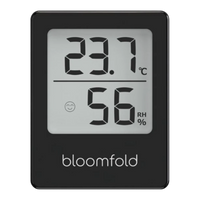
In a humid room, laundry dries slowly because the air already contains a lot of water vapor and therefore cannot absorb much additional moisture from your clothes. Air can hold only a limited amount of water vapor; once it is saturated, drying almost stops. A healthy humidity level is between 40 and 60%, with around 50% being ideal. Above 60%, drying becomes difficult and the risk of musty odors and mold increases.
This is especially an issue in cooler, less-heated homes. One customer told us that the humidity in her older home rose quickly because the heating was rarely on. The laundry took days to dry, and there was a musty smell in the house. That is exactly the pattern: cold, damp conditions and laundry that simply refuses to dry.
How can you prevent your laundry from smelling musty?
You can prevent musty laundry by removing moisture quickly and allowing the laundry to dry with plenty of airflow. A few practical measures:
- Spin thoroughly: the drier the laundry is when it comes out of the machine, the less moisture enters your home.
- Hang it with plenty of space: leave space between the garments so air can circulate around them.
- Ventilate: open a window slightly or turn up the mechanical ventilation so humid air can escape.
- Choose an enclosed room: ideally, dry your laundry in a room that you can keep separate from the rest of the house.
- Let it dry completely: only fold clothes when they are completely dry, because slightly damp fabric will eventually smell musty.
Does a dehumidifier help prevent musty laundry?
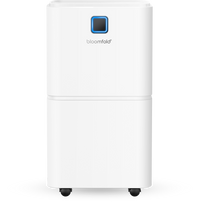
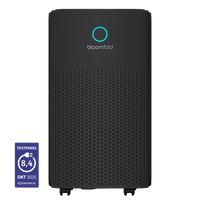
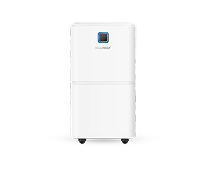
Yes, a dehumidifier removes the moisture released by your wet laundry from the air, helping the laundry dry faster and preventing musty odors. The appliance works best in an enclosed room, with enough space between the garments and the airflow directed at or along the laundry.
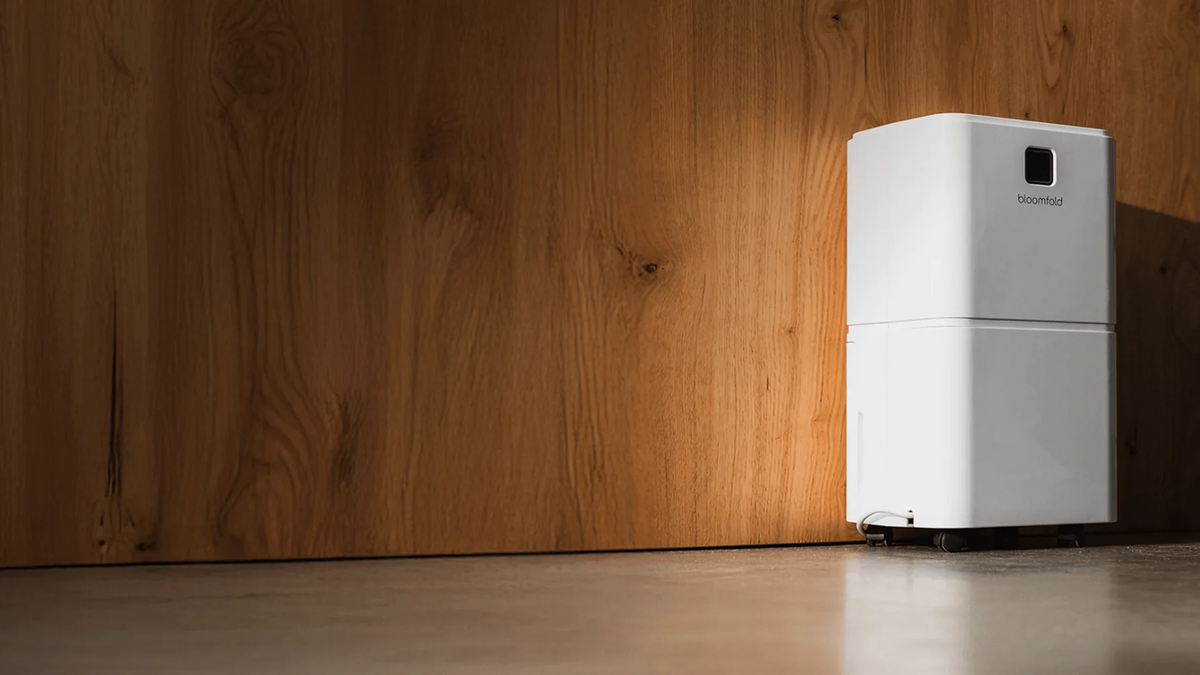
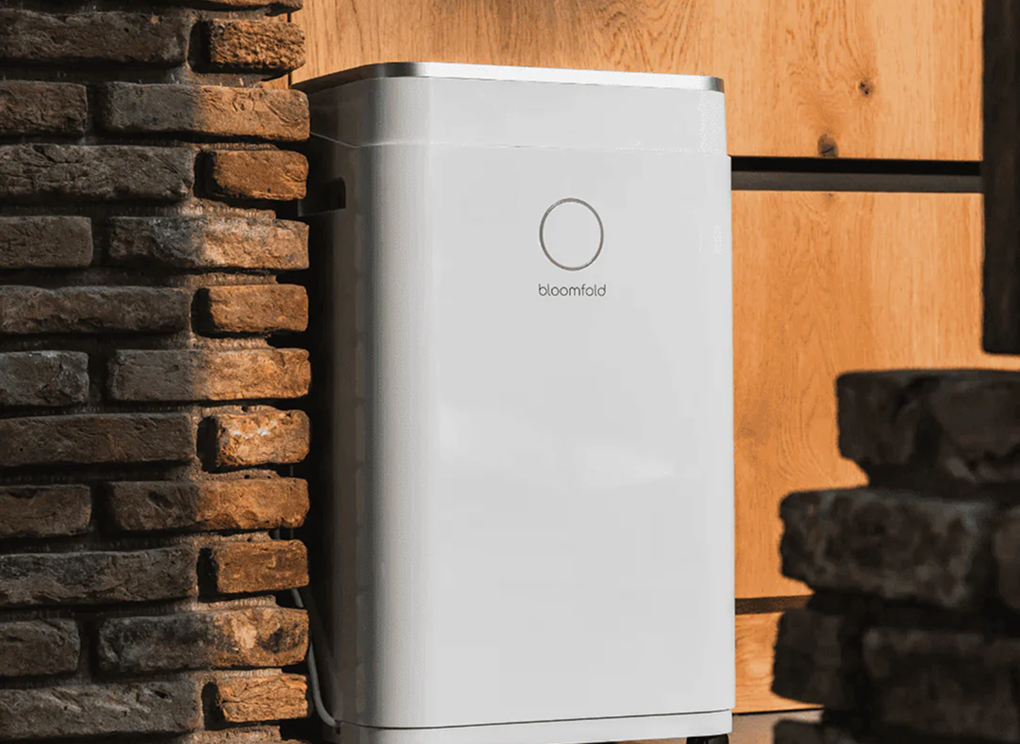
The customer from the example noticed the difference immediately. After seeing the appliance at a family member’s home, she ordered one herself and switched it on that same day. It quickly removed the moisture from the room, and the wheels made it easy to move. The result: no more condensation on the windows and laundry that dried faster. You can read more about this setting in our article about the laundry-drying function.
What is the laundry-drying function and how do you use it?
The laundry-drying function is the continuous mode (CNT), in which the appliance keeps extracting moisture non-stop until you switch it off or the tank is full. In this mode, the dehumidifier runs at full power to dry your laundry as quickly as possible.
Depending on the model, you will see a T-shirt icon or the message "CNT" on the display; you activate it with the MODE button. If you want to let it run for a long time without emptying the tank, connect a drain hose for continuous drainage. Place the appliance in the same room as the laundry and direct the airflow at or along the clothes. Which dehumidifier is right for you depends on the size of the room.
Dry fresh without musty odors
Musty laundry is really a moisture problem, not a laundry problem. Solve the moisture issue and the odor will disappear on its own. Remove moisture quickly through ventilation and by hanging the laundry with plenty of space, and keep humidity below 60%.
If ventilation alone is not enough, a dehumidifier in laundry-drying mode can help. If you are not sure which model is right for your room, use the selection guide for personalized advice.


Leave a comment