









In brief
- Place your dehumidifier centrally or close to the source of moisture, on a hard, level surface with at least 30 cm of clearance around it.
- In the bathroom, place it in a dry, stable spot outside the wet zone, away from the shower, bathtub, and sink.
- The IPX rating indicates how well a device can withstand water; in splash-water zones, at least IPX4 applies.
- Make sure the room is at room temperature in winter so that a condensation dehumidifier works optimally.
A dehumidifier often stays in the same place for years, while that location and proper use determine how much moisture it removes from the air. Placing a dehumidifier involves more than finding an outlet: the surface, the space around it, and the temperature all matter.
Moisture in the home is a real problem. Mold occurs in approximately 10% of homes, and the location of your device partly determines whether you can keep it under control. In this guide, you will learn where to place a dehumidifier, what IPX ratings mean for damp spaces, and how to use it in winter. Also view the full range of dehumidifiers if you are still deciding.
Where is the best place to put a dehumidifier?
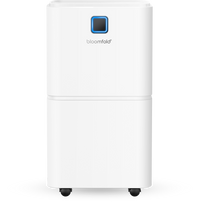
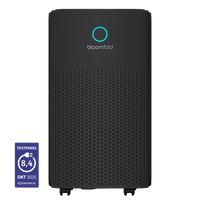
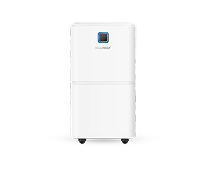
Place your dehumidifier centrally in the room or close to the source of moisture, on a hard, level surface with sufficient space around it. A good rule of thumb is to leave at least 30 cm of clearance on all sides.
Do not place the device directly against a wall, piece of furniture, or curtain, as this restricts airflow. Also do not place it on carpet or a soft surface: this causes more vibration and noise and may block the lower ventilation openings. A central location with unobstructed air circulation works best.
Why does a dehumidifier need clearance?
Because the device draws in moist air and blows drier air back out, and blocked grilles obstruct that airflow. A dehumidifier draws air in through a grille at the back and blows dry air back into the room through the top or front.
If the device is too close to a wall or piece of furniture, air cannot pass freely and performance decreases. Keep the grilles clear and free of dust so the device can operate at full capacity.
Where should you place a dehumidifier in the bathroom?
In a dry, stable spot outside the wet zone, away from the shower, bathtub, and sink. A dehumidifier is effective against moisture and mold in the bathroom, but the device is not splashproof or waterproof.
Choose a corner or spot where water cannot splash onto it, and make sure it stands firmly and level. This allows it to safely reduce humidity without the risk of water damage. For models designed for use in the bathroom, view the bathroom collection.
What does the IPX rating mean in damp spaces?
In damp spaces, you may come across the term IP rating or IPX rating. It indicates how well an electrical device is protected against dust and water. Below, you can read how the code works and which rating applies to each bathroom zone.
What exactly does the IP code mean?
The IP code consists of two digits: the first indicates protection against dust, and the second indicates protection against water. In damp spaces, you mainly look at the second digit. If a digit is not specified, you will see an X, as in IPX4. The higher the water-resistance digit, the better the device can withstand moisture.
Which IPX rating applies to each bathroom zone?
In the splash-water zones around the shower, bathtub, and sink, at least IPX4 applies, while the wet zone itself requires a much higher rating. According to the NEN 1010 classification, the bathroom has three zones, each with its own requirement.
- Zone 0: inside the bathtub or shower tray itself; a watertight enclosure (IPX7 or higher) applies here.
- Zones 1 and 2: directly above and up to 60 cm around the bathtub, shower, and sink; at least IPX4 (splashproof) is required here.
- Outside these zones: usually no legal IPX requirement applies, although it remains a damp space.
The second digit ranges from protection against dripping and splashing water to water jets and immersion. Because a regular dehumidifier is not designed for the wet zone, you should always place it outside these zones, in a dry spot.
How do you use a dehumidifier in winter?
Make sure the room is at room temperature so that the dehumidifier works optimally. A condensation model removes more moisture from the air as the air gets warmer, because the moisture then condenses more easily.
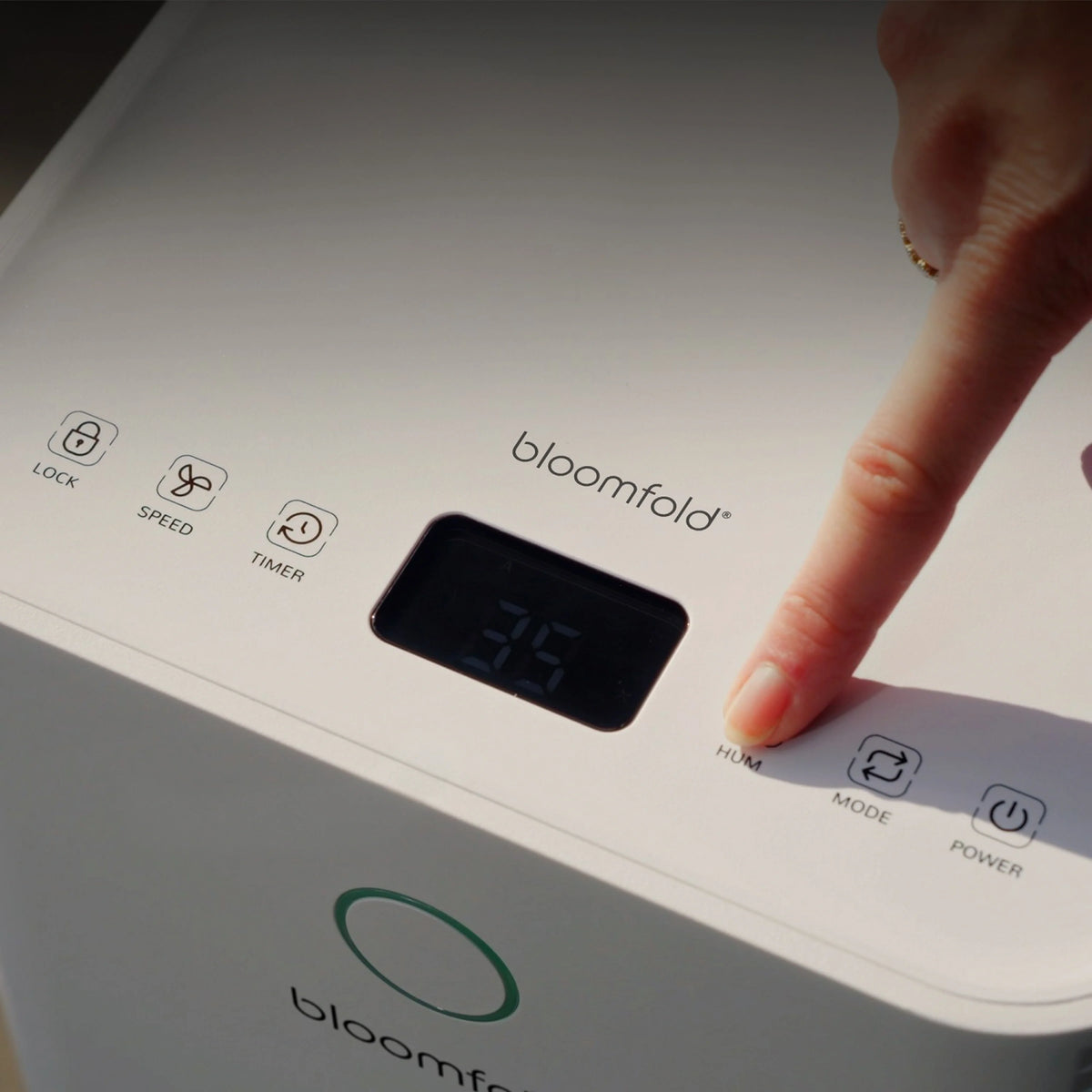
Do you see the message "LO" on the display in winter? This usually means that the room is too cold. It is a protective function, not a defect. Move the device to a warmer room or heat the room a little, and it will operate normally again. Also continue to ventilate briefly but effectively, because fresh air and dehumidification complement each other.
Where should you place it when there is a moisture problem in a specific room?
The best location varies by room because the moisture problem is slightly different everywhere. Moisture mainly settles in cold spots, such as corners and exterior walls, so you want to place the device nearby.
- Bedroom: choose a quiet spot, not next to the head of the bed, so it does not disturb you while you sleep. View the bedroom collection.
- Basement and attic: place the device near the area with the most condensation or musty air. View the basement collection.
- Living room: place it centrally, out of the way and away from furniture, so air can circulate freely.
Placement, use, and healthy humidity
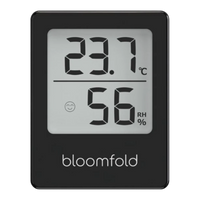
The right location and proper use have a shared goal: keeping your humidity stable. A healthy relative humidity is between 40 and 60%, with around 50% being ideal.
With a good location, unobstructed air circulation, and attention to temperature, your device can reliably reach that level. If you are not sure which model suits your space, take the selection guide for tailored advice.


Leave a comment