









In brief
- The Consumentenbond has been testing dehumidifiers since October 2025 in its own climate chamber, so every appliance is compared under identical conditions.
- They measure water extraction, speed, noise, energy consumption, and ease of use, but not factors such as air purification, design, or warranty.
- The stated capacity applies under favorable laboratory conditions; in a cooler home, an appliance often extracts fewer liters per day.
- Weigh the sub-scores that matter for your situation, and first measure your own humidity and room size.
You don't just buy a dehumidifier on a whim: you can't try it out in a store, and the differences are in details you only notice after weeks of use. That's why the Consumentenbond tests dehumidifiers independently, which can make your choice easier. In this article, we explain how the test works and, just as importantly, what it does and doesn't tell you.
Moisture is a real problem: mold is present in around 10% of homes. A good dehumidifier helps combat it, but you still want to know which ones actually perform well. Below, you'll read how the test is structured. If you're exploring your options, also view the range of dehumidifiers.
How does the Consumentenbond test dehumidifiers?
The Consumentenbond has been testing dehumidifiers since October 2025 in its own climate chamber, where temperature and humidity are precisely controlled. This means every appliance is compared under exactly the same conditions.
That's important because, in practice, performance depends heavily on the temperature and humidity in the room. By measuring everything in a controlled environment, the models can be compared fairly. The test rating is then based on several components.
What exactly do they measure?
The test primarily looks at how well and how quickly an appliance removes moisture from the air, as well as noise, energy consumption, and ease of use. Specifically, it covers these areas:
- Dehumidification capacity: how many liters of water an appliance extracts from the air in 24 hours, measured at various combinations of temperature and humidity.
- Speed: how long it takes to bring a room from 80% to 60% humidity.
- Stability: whether the humidistat maintains the set level afterward.
- Noise: measured at the highest and lowest settings and assessed by three experts based on how disruptive it sounds.
- Energy consumption: consumption over 24 hours under all test conditions.
- Ease of use: how easy it is to operate the appliance and empty the reservoir.
Why does capacity in liters per day often give a distorted picture?
The stated capacity is a maximum under favorable laboratory conditions, so in an average, cooler home, an appliance often extracts fewer liters of moisture from the air per day. Manufacturers state this capacity in liters per day rather than specifying a number of square meters, even though actual performance depends on temperature and humidity.
That's precisely why the Consumentenbond tests under fixed, controlled conditions. This makes the comparison fair, but it also means the test conditions may differ from your situation. Healthy humidity is between 40% and 60%, with around 50% being ideal; the measurement from 80% to 60% aligns with this.
What doesn't the test tell you?
The test measures pure dehumidification very thoroughly, but says little about factors such as 2-in-1 air purification, design, warranty and service, or how an appliance performs in your specific room. These are precisely the factors that make a difference in everyday use.
A sensible reader therefore looks beyond the final score. Weigh the sub-scores that matter to you, pay attention to warranty and return conditions, and take your own living situation into account. If you want to know more about the right humidity levels, read about ideal humidity.
How do you interpret a test rating wisely?
Don't look only at the final score; weigh the sub-scores that matter for your situation. For a bedroom, a low noise score is more important, while for a damp basement, capacity is the key factor.
First measure the humidity in the problem room with a hygrometer and determine its area. This will tell you what capacity you need and which sub-score matters most to you. A test rating is then not an absolute verdict, but a tool you apply to your own situation.
Bloomfold in the test
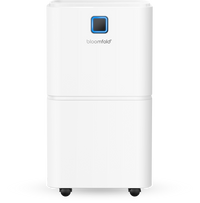
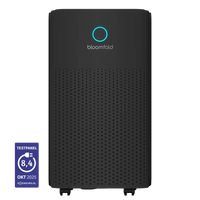
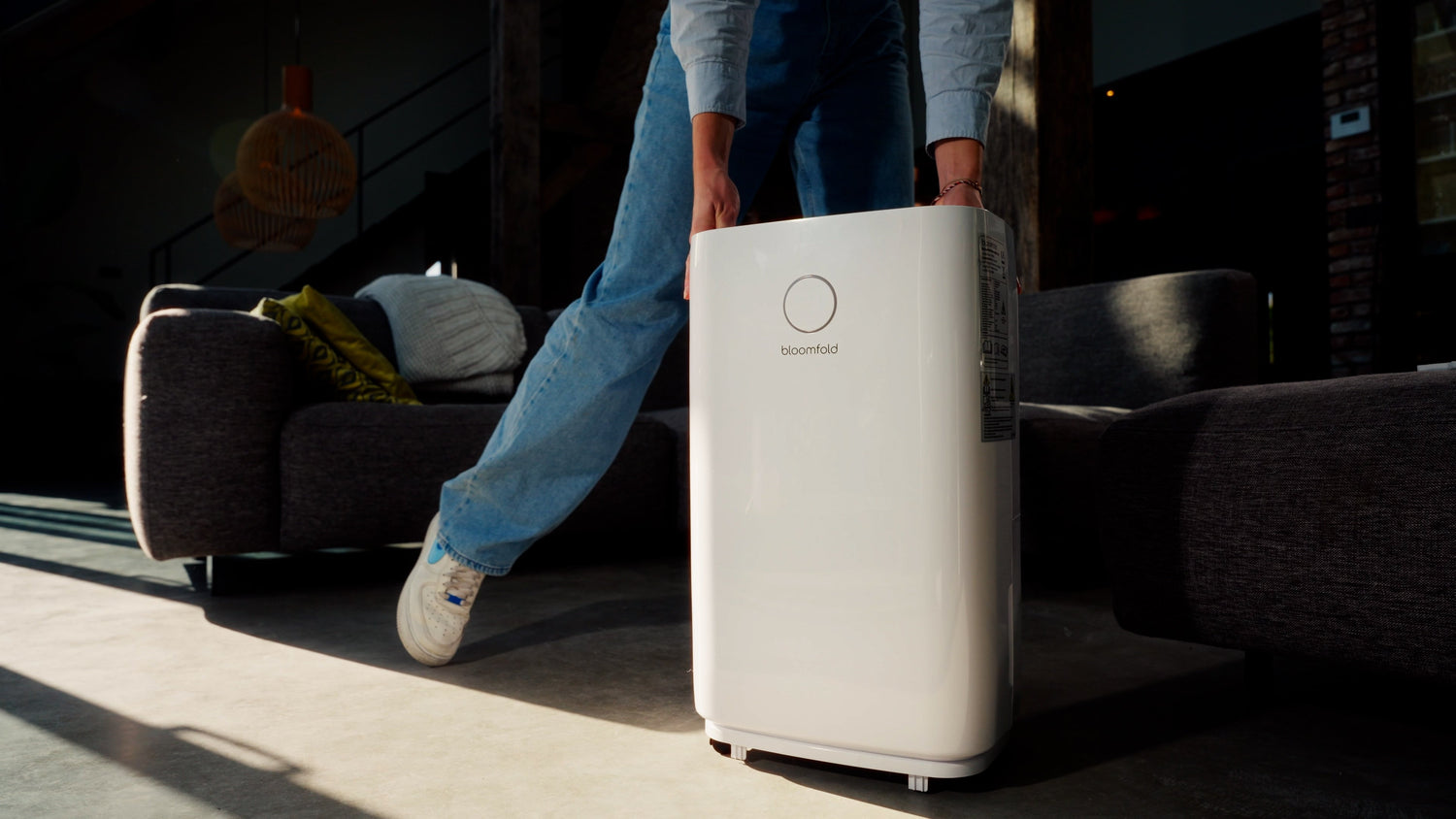
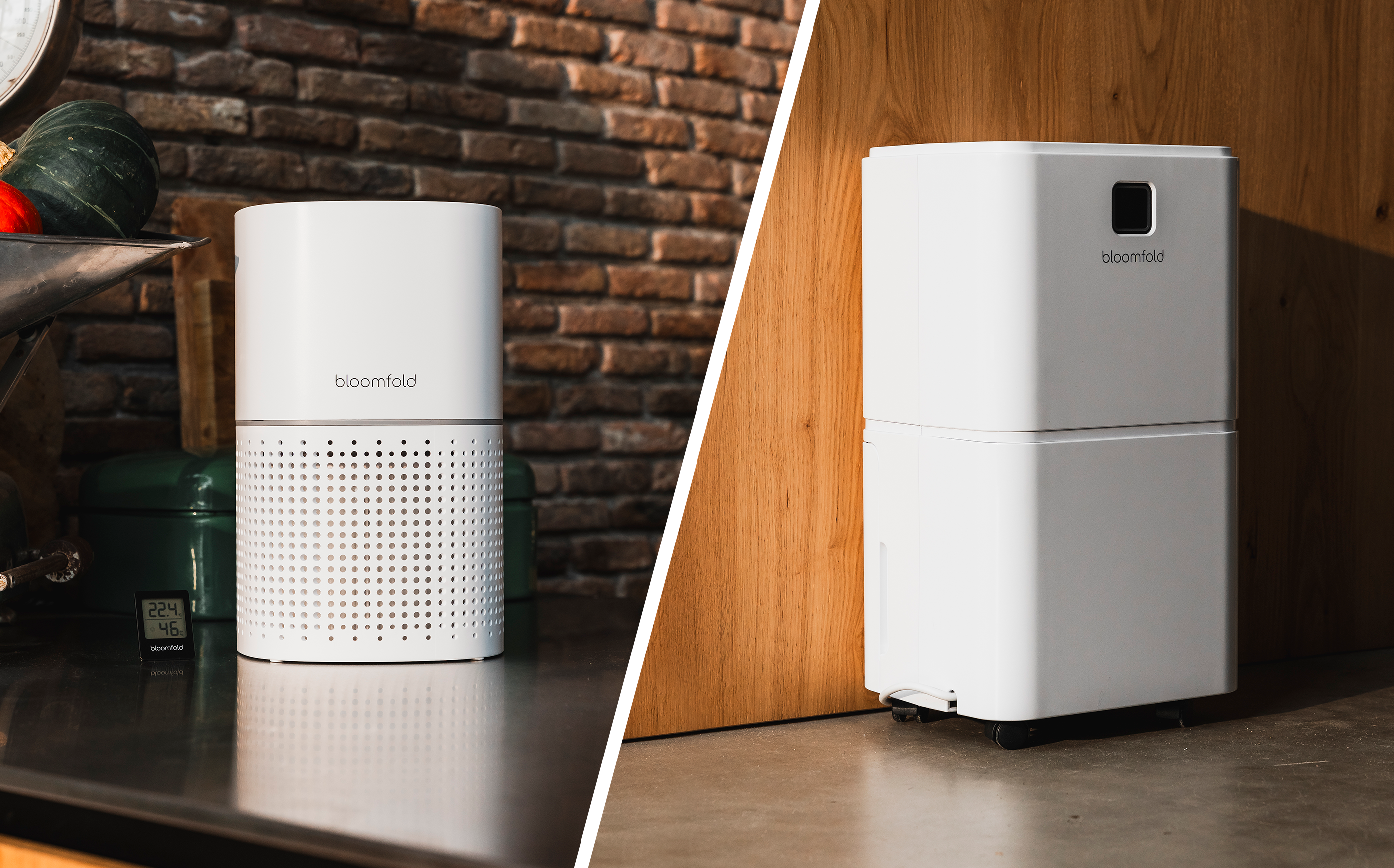
In a Consumentenbond test (last updated October 22, 2025), the Bloomfold Halo 12L finished in the top 3. That's a great result in an independent test that focuses mainly on performance, noise, and ease of use.
At the same time, the point made above still applies: a test ranking is a snapshot and does not automatically mean that a model is suitable for your room. The right choice depends on the size of your room, the temperature, and the type of moisture problem. View the dehumidifiers to compare capacities.
A test is a tool, not the final verdict
An independent test such as the Consumentenbond's is valuable because it compares appliances fairly and without commercial interests. But it remains an average result under laboratory conditions, not advice for your specific home.
So use the test as a starting point, measure your own situation, and then make a targeted choice. If you don't know which model is right for your room, use the selection guide for tailored advice.



Leave a comment