









In short
- A HEPA filter lasts an average of four to twelve months, depending on how intensively you use the device.
- You cannot wash a HEPA filter; water damages the fibers, so replacement is the only proper option.
- Regularly cleaning the pre-filter extends the lifespan of the more expensive HEPA filter.
- You can recognize a full filter by reduced airflow, a musty smell, and more dust remaining in the air.
- Replacement filters can be ordered separately for each model, so you only replace the filter and not the entire device.
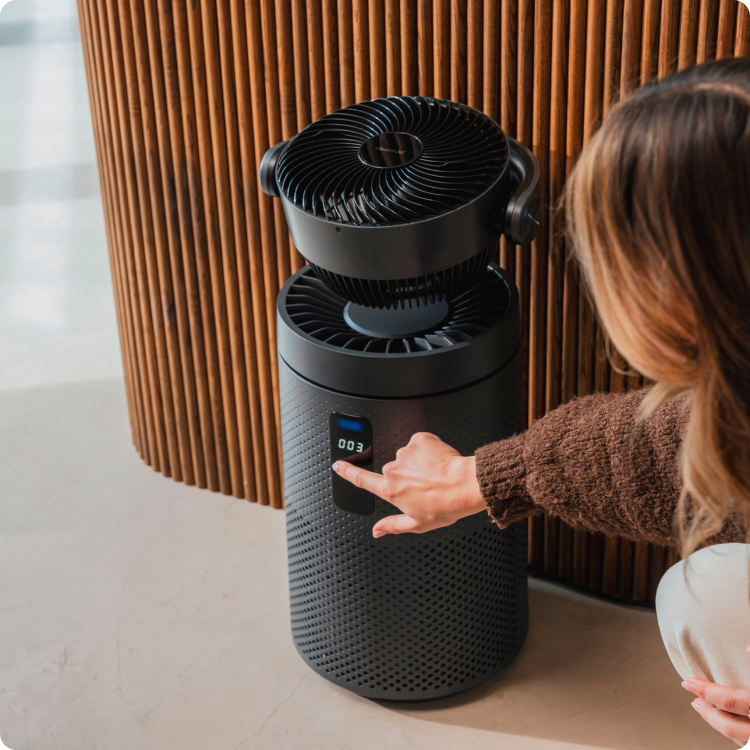
An air purifier is only as good as its filter. No matter how powerful the device is, if the filter is full, performance drops and it mainly moves air without removing much from it. Replacing the filter on time is therefore not a minor detail, but the core of proper maintenance.
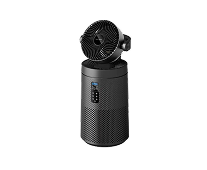
Below, you can read how often you should replace the filter, why you cannot wash a HEPA filter, and how a little maintenance can extend its lifespan. Also view the parts if your filter needs replacing.
How often should you replace the filter?
You should replace a HEPA filter every four to twelve months on average, depending on how intensively you use the device and how polluted the air is. That is a broad range, and where you fall within it depends on your situation.
If you use the air purifier gently and in a clean environment, you will be closer to twelve months. If the device runs day and night, you have pets, there is a lot of pollen during the season, or you often cook in the same room, the shorter end is more realistic. In that case, the filter simply captures more particles and becomes saturated faster.
Can you clean or wash a HEPA filter?
No, you cannot wash a HEPA filter, because water damages the fine fibers and makes the filter work less effectively. A wet or rinsed HEPA filter loses its effectiveness and can also develop mold. Replacing it on time is the only proper option.
It is an understandable thought, because a filter that looks clean seems wasteful to throw away. But the strength of an H13 HEPA filter lies precisely in its dense fiber structure, which is irreparably damaged by washing. What you can clean is the pre-filter, and that significantly extends the lifespan of the HEPA filter behind it.
How can you extend the lifespan of your filter?
With a little maintenance, you can get more use out of a HEPA filter. The main benefit comes from the pre-filter, which catches coarse dust before it reaches the fine filter. A few practical measures:
- Clean the pre-filter regularly: researchers at the University of Washington recommend vacuuming the pre-filter approximately every two weeks, because every dust particle that remains there does not reach the HEPA filter.
- Do not place the device in the dirtiest corner: the filter fills up faster when placed right next to an open fireplace or a dusty area.
- Adjust the setting to the situation: use a higher setting while cooking or during pollen season, and a lower setting when the air is clean.
- Keep doors and windows closed during use: this prevents the filter from constantly having to process new, unfiltered air.
How do you know when the filter is full?
You can recognize a full filter by reduced airflow, a musty or unpleasant smell, and more dust remaining in the air. These signs often appear sooner than you might expect, especially with intensive use.
Do not rely on appearance alone. A filter may still look fairly clean on the outside while being saturated inside and barely capturing any more particles. If your model has a filter indicator, use it as a guide. If the air feels less fresh or the device has to work harder to achieve the same result, that is a sign that it is time to replace the filter.
Which filters does your air purifier have?
Most air purifiers use multiple filter layers, usually a pre-filter for coarse dust and an H13 HEPA filter for fine particles. Some models also have an activated carbon filter, which absorbs odors and gases.
Each layer has its own function and lifespan. Clean the pre-filter regularly, replace the H13 HEPA filter within the four-to-twelve-month window, and replace an activated carbon filter as soon as odors are no longer removed as effectively. The H13 HEPA filter captures up to 99.97% of particles such as pollen, dust, and allergens from the air, and you can only achieve that percentage with a filter that has not yet become saturated.
Where can you order a replacement filter?
Replacement filters can be ordered separately and matched to your model, so you only replace the filter and not the entire device. This is cheaper and more sustainable than buying a new device when only the filter has run out.
Separate filters are available for the various models, from the HEPA filter to the activated carbon filter. See which filter belongs to your device in the parts section, or find additional accessories for your air purifier.
Maintenance that pays off
Proper maintenance is the most affordable way to keep your air purifier performing well. Clean the pre-filter regularly, replace the HEPA filter on time, and rely on signs such as reduced airflow or odors rather than appearance alone.
This keeps the device doing what you bought it for: removing fine particles from the air. If you want to know exactly what happens inside that filter, read what an air purifier does.



Leave a comment