












Have you ever had the feeling that the air in your house is extremely dry? You may notice that your skin dries out faster or itches your throat, even if you drink enough. These are signs of low humidity. But when is the humidity actually too low, what are the consequences, and above all: what can you do about it? In this article we explain this and give tips to improve the indoor climate.
What is too low humidity?
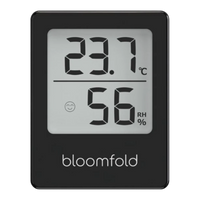
Humidity is measured as the percentage of water vapor in the air. An ideal humidity in your home is between 40% and 60%. If the humidity drops below 30%, it is considered too low. This often occurs in the winter months when the heating dries out the air in the house.
How do you notice that the humidity is too low?
There are different ways in which you can notice that the humidity in your house is too low:
Dry skin: You notice that your skin dries out quickly, your lips are starting to tear, and you more often suffer from itchy skin. This is because dry air extracts moisture.
Dry throat and stuffy nose: A dry, abrasive throat or a stuffy nose are other signs of low humidity. Your breathing mucosa dry out, which makes breathing difficult.
Statistical electricity: If you often suffer from shocks when you touch a door handle or move over furniture, this is a sign of low humidity. Static electricity occurs when the air is too dry.
Increased hay fever and allergy complaints: The dry air can let allergens in the air circulate better, which can lead to worsening of hay fever and allergies.
Wood and furniture problems: If your wooden furniture or floors start to crack or distort, this can also be a sign of too little moisture in the air. Wood does not absorb moisture from the air and can therefore shrink or crack.
Is too low humidity bad?
Yes, too low humidity can have serious consequences for both your health and your house. Health problems such as dry skin, clogged airways and an increased risk of infections can arise. The risk of breathing problems or aggravation of asthma or allergies is also increasing.
In addition, too dry air can harm your interior. Wooden furniture, floors and even musical instruments can warp or crack due to a lack of humidity. Your electronic devices can also build up static electricity faster, which increases the chance of damage.
What can you do for low humidity?
Fortunately, there are different ways to increase the humidity in your house and thus improve comfort and health:
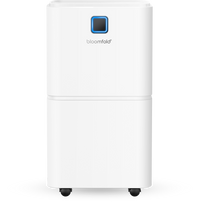
Use a humidifier: The simplest and most effective way to prevent low humidity is to use a humidifier in the house. The device adds moisture to the air, so that the humidity remains at the ideal level.
Hang wet laundry inside: A quick and cheap way to increase the humidity is to hang in with wet clothing or towels. While they dry, water vapor is released, which moistens the air.
Cooking and showering: Showering or cooking are also activities that temporarily increase the humidity. Make sure the space is good ventilated is so that you do not end up with a moisture problem in the long term.
Plants in the house: Plants can also help to maintain humidity. Plants give water through their leaves, which is a natural way to add moisture to the air.
Conclusion: take action when the humidity is too low
Too low humidity can have serious consequences for your health and your home. From dry skin and stuffy airways to damaged furniture and electronic devices, the negative effects are diverse. Fortunately, it is relatively easy to increase humidity by using a humidifier, who not only adds moisture, but also contributes to a healthier air quality in the house.
By consciously regulating the humidity in your home, you create a more comfortable, healthier and more sustainable at home.


Leave a comment