










In brief
- Dust mites are found in every home and are a common cause of allergy symptoms; you cannot get rid of them completely, but you can significantly reduce their numbers.
- Focus especially on the bedroom and wash your bedding at 60 degrees, because dust mites die at that temperature.
- Keep humidity below 60%, because dust mites thrive in a humid environment.
- An air purifier with a HEPA filter captures airborne allergens as a supplement to washing and ventilation.
Combating dust mites starts with a simple fact: they are found in every home, no matter how thoroughly you clean. For people with a dust mite allergy, that is frustrating, because dust mites are a common cause of symptoms. The good news is that with a few targeted measures, you can significantly reduce the number of mites and allergens.
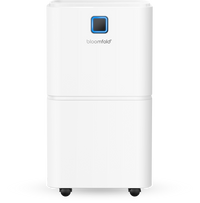
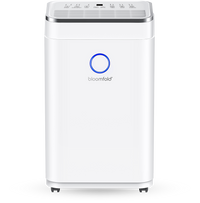
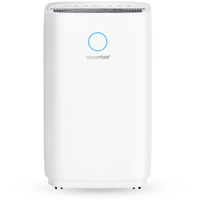
Moisture plays a key role, which is where the indoor climate comes in. Mold and high humidity are common in many homes: mold is found in approximately 10% of homes. Below, you will read how to tackle the bedroom, why washing at 60 degrees works and how to keep humidity under control. If you have persistent symptoms, always discuss them with your doctor. Also view the range of dehumidifiers if moisture is an issue in your home.
What are dust mites and why do they cause allergy symptoms?
Dust mites are microscopic spider-like creatures that feed on flakes of human and animal skin. The allergy is not caused by the mites themselves, but by the proteins in their feces and remains, which you inhale.
Dust mites feed on skin flakes and are therefore found mainly in beds, sofas and carpets. You can never get rid of them completely, but you can make the environment less favorable for them. If you notice symptoms such as sneezing, a stuffy nose or itchy eyes, discuss them with your doctor, especially if they persist.
Why is the bedroom the most important place?
Because you spend many consecutive hours there, and your mattress, pillow and duvet create a warm, humid environment with plenty of skin flakes: the ideal habitat for dust mites. That is why beds often contain the most mites.
Managing a dust mite allergy therefore focuses mainly on remediating the bedroom, in other words, arranging and maintaining the space so that there is less dust and fewer mites. Tackling moisture in the bedroom is part of this; the bedroom collection helps you find a quiet solution.
How do you wash bedding to kill dust mites?
Wash your bedding at 60 degrees, because dust mites die at that temperature and the allergens are rinsed away at the same time. Rinsing them away is important, because otherwise the allergens can remain present for years, even after the mites have died.
In practice, this means washing sheets, pillowcases and duvet covers every one to two weeks at 60 degrees, and washing duvets and pillows every six weeks. Place stuffed animals that cannot be washed at 60 degrees in the freezer for 48 hours, then wash them at a low temperature. Anti-allergy covers for mattresses, pillows and duvets are a useful addition.
What humidity level keeps dust mites at bay?
Keep humidity below 60%, because dust mites do not drink but absorb moisture from the air and thrive in a humid environment. Relative humidity indicates how much water vapor the air contains compared with the maximum amount at that temperature.
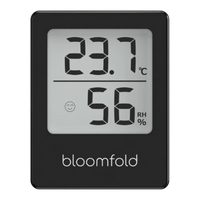
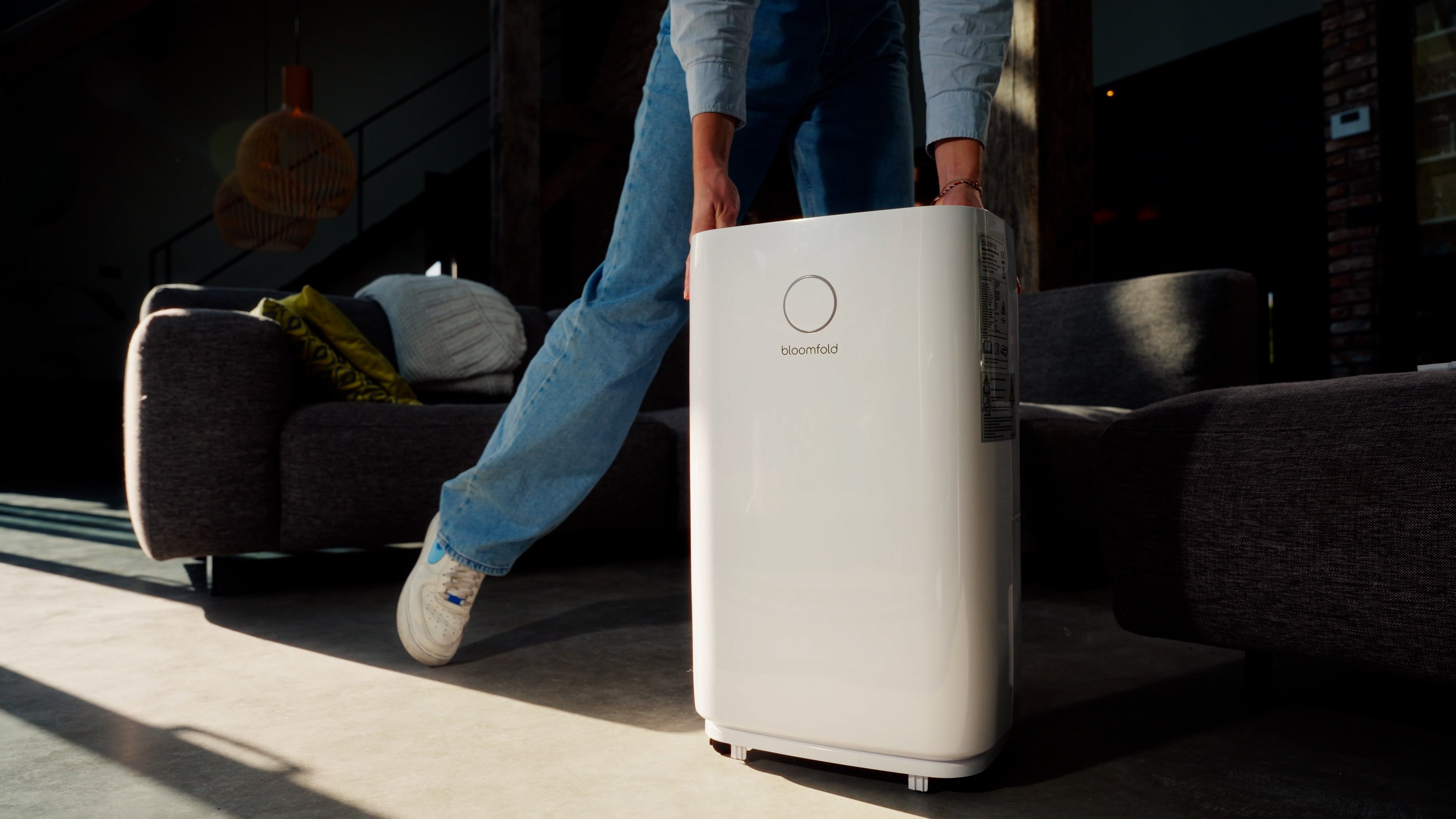
Mites begin reproducing at a humidity level of approximately 55%. A healthy range indoors is 40 to 60%, with around 50% being ideal. You can achieve this level through proper ventilation, and when that is not enough, with a dehumidifier that reduces and stabilizes the moisture level. Measure humidity with a hygrometer so you know when action is needed.
How do you keep the bedroom as dust-free as possible?
In addition to washing and controlling moisture, the goal is to reduce dust and the number of places where mites can gather. A few practical measures:
- Ventilate daily: open a window slightly or keep ventilation grilles open so that moisture and dust can be removed.
- Choose smooth floors: wood, laminate or tiles retain less dust and moisture than carpet and are easier to clean.
- Limit dust traps: keep the number of stuffed animals, pillows and loose items on the bed to a minimum.
- Wipe with a damp cloth: dust smooth surfaces with a damp cloth and clean walls and curtains periodically.
- Keep pets out of the bedroom: they bring in extra skin flakes, which are food for dust mites.
Does an air purifier help against dust mites?
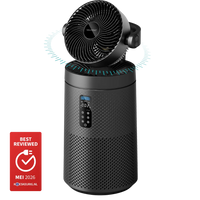
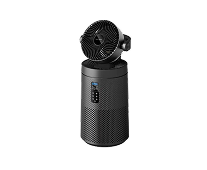
An air purifier with a HEPA filter captures airborne particles and allergens and can therefore reduce irritants, especially in the bedroom. However, it is important to add some nuance: it mainly deals with what is floating in the air at that moment and does not remove everything from your mattress, sofa or carpet.
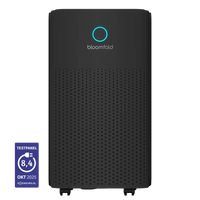
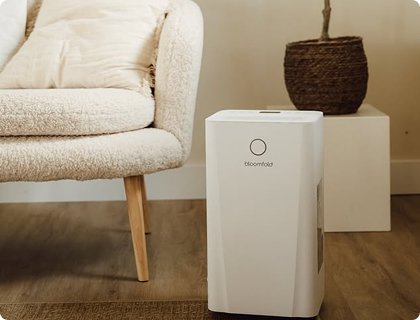
So think of an air purifier as a supplement to washing and ventilation, not as a replacement. An H13 HEPA filter captures up to 99.97% of fine particles. At Bloomfold, this type of filter is included in the air purifiers and the 2-in-1 models that combine dehumidifying and air purification. Leave it running in the bedroom at night for the best effect.
A multi-pronged approach
One measure is rarely enough. Reducing dust mites works best as part of a comprehensive approach: washing at 60 degrees, ventilating, keeping humidity below 60%, limiting dust and using filtration where necessary. Together, these measures gradually make the environment less favorable for dust mites.
Do not continue suffering from symptoms: discuss them with your doctor if they persist. If you want to tackle humidity in a targeted way and do not know which appliance is suitable for your space, use the selection guide.


Leave a comment